Blog · · 3 min read
Buying at toy fairs and swapmeets: cash, condition and your rights
Toy fairs and collectors' swapmeets are where many vintage pieces change hands. What to check on the table, why how you pay matters, and what Citizens Advice says about stolen and fake goods.
Facts last checked 23 November 2026
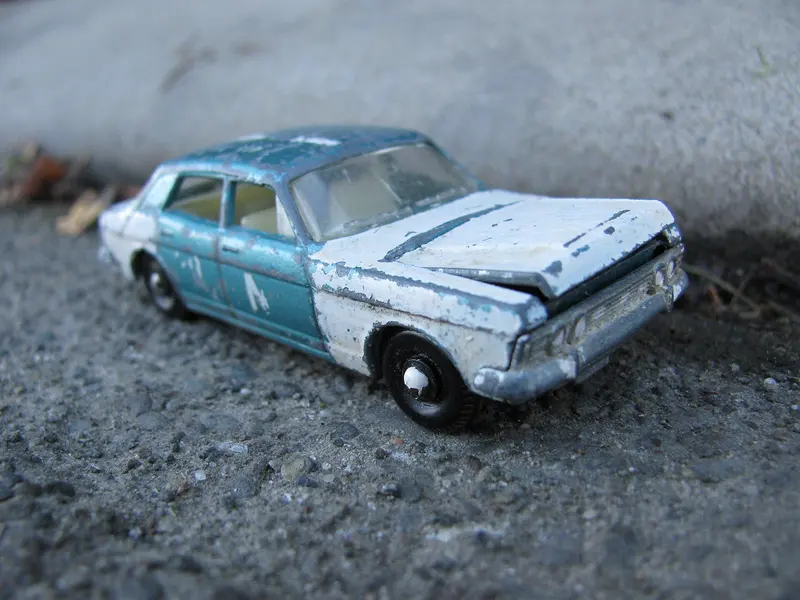
The new year brings a fresh round of toy fairs, collectors' fairs and club swapmeets. They're a great way to see items in the hand, talk to experienced dealers and find things that never reach eBay. They also move fast, often on cash, so it pays to go with a plan.
Before you go
- Know what you're looking for. Our guide to identifying vintage Dinky, Matchbox and Corgi Thunderbirds toys covers the tell-tale details.
- Know the grades. Read condition and box grading so "excellent" on a label means the same to you as to the seller.
- Take a list of what you already own (see our post on cataloguing a collection) so you don't buy a duplicate in the excitement.
- Bring a small torch and a magnifier for markings and repairs.
At the table
- Handle with permission, and check the base, wheels, windows and any moving parts.
- Look for repaint and replacement parts. Our reproductions and restorations guide explains what to look for.
- Check the box separately. A box can be from another item, or a reproduction.
- Ask questions: Is it complete? Has anything been replaced? Is the box original?
- Get a receipt with the seller's name or stall and a description, especially for anything expensive.
How you pay matters
Citizens Advice explains that paying by card or PayPal can give you a way to get money back if things go wrong:
- Credit card: under section 75 you may be able to claim from the card provider if you paid more than £100 and no more than £30,000 for a single item.
- Debit card: you can ask your bank for a chargeback, which only covers the amount paid on that card.
- PayPal: Citizens Advice says you have 180 days from when you paid to open a dispute.
Its examples only refund the part paid by card, so for a cash purchase you would have to rely on the seller. If you'd like that protection, ask whether a stall takes cards before you choose.
If it turns out to be stolen
Citizens Advice says you shouldn't get into trouble if you didn't know an item was stolen when you bought it, but the police will try to return it to its owner, so you would generally lose it. It says you have the legal right to a full refund from the seller. Its advice is to contact the police (101 or your local station) as soon as you suspect it, not to keep the item or return it to the seller yourself, and to show the seller the crime reference and property log numbers with your proof of purchase. If the seller refuses, you may be able to get your money back through your bank if you paid by card.
A price far below what similar items fetch, or a seller who won't give any details, are reasons to walk away.
If it turns out to be fake
Citizens Advice says you can report a seller of fake goods to Trading Standards, which can take action against sellers but can't get your money back, and you can also report fraud through the Report Fraud service. See our post on fakes at Christmas for what Trading Standards warns about.
- Identifying vintage Dinky, Matchbox and Corgi Thunderbirds toys
How to tell the main vintage and modern die-cast apart — catalogue numbers, colours, copyright marks and missing parts — using only facts we can source.
- Spotting reproductions and restored items
Reproduction boxes, repainted models and replacement parts are part of the hobby — the problem is when they aren’t declared. What to look for and what to ask.
- Condition and box grading: what “mint” really means
The grading words used by auction houses and sellers — Mint, Near Mint, Excellent, Good, Fair, Poor — plus MIB, MOC and the rest, explained with sources.
Vintage toys for children
Old die-cast bought at a fair was made to the rules of its day. If it's for a child to play with, read our post on handing down vintage toys to children first.
?> Walk the whole hall before you buy. The same item is often on two tables, in different condition.
Sources
Checked 23 November 2026. Written in our own words from:
- Citizens Advice — Getting your money back if you paid by card or PayPal (citizensadvice.org.uk)
- Citizens Advice — If you think you've bought stolen goods (citizensadvice.org.uk)
- Citizens Advice — Report fake or counterfeit goods (citizensadvice.org.uk)
Spotted something wrong or out of date? Tell us.