Blog · · 3 min read
Joining a model club: IPMS(UK), local branches and special interest groups
A model club is the quickest way to get better at kits and find people who share your interest. What IPMS(UK) is, how branches and special interest groups work, and what to expect at Scale ModelWorld.
Facts last checked 23 November 2026
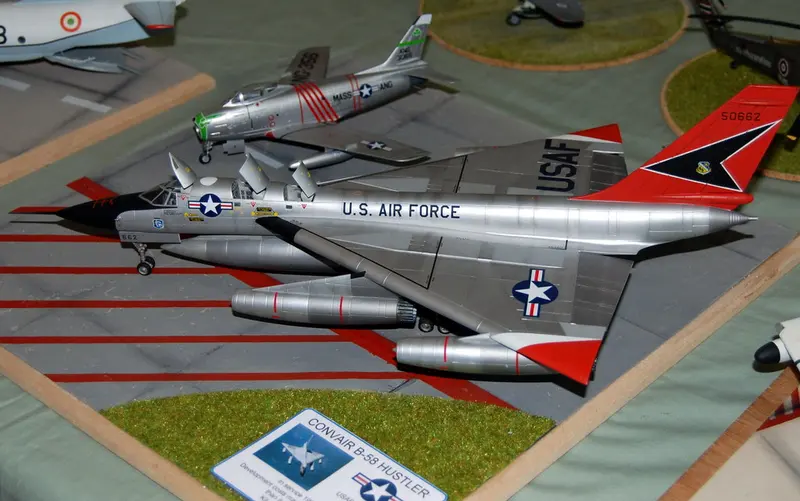
If you got a kit for Christmas, or you're planning to build more in the new year, a club is the fastest way to improve. You see how other people tackle seams, masking and decals, you can ask questions, and you find people who are just as keen on one subject as you are — whether that's display-team jets, American cars or science-fiction craft.
What IPMS(UK) is
The International Plastic Modellers' Society (UK) describes itself as "by modellers, for modellers". Its website says it was founded in Great Britain in 1963 and has over 5,000 members in the UK. It has a magazine, and a member has recently updated an index to more than 60 years of it.
Branches: local clubs
IPMS(UK)'s branch list had 129 branches when we checked on 23 November 2026. Most link to the branch's own website or Facebook group. The list also includes at least one internet-based branch, which suits people who can't get to meetings.
The branch list doesn't give meeting details, so contact the branch near you directly. Good questions to ask:
- When and where do you meet, and how often?
- Can I come along a few times before joining?
- Do members bring work in progress to show?
- Do you have members interested in my subject?
Membership is separate from going to a branch, and the society's website has pages on membership benefits, prices and joining. Branches set their own arrangements, so ask your local one whether you need to be an IPMS(UK) member to attend, and whether there's a small fee for the room.
Special interest groups
IPMS(UK) also runs Special Interest Groups (SIGs), which bring together people modelling one subject wherever they live. Its SIG list includes several relevant to this site:
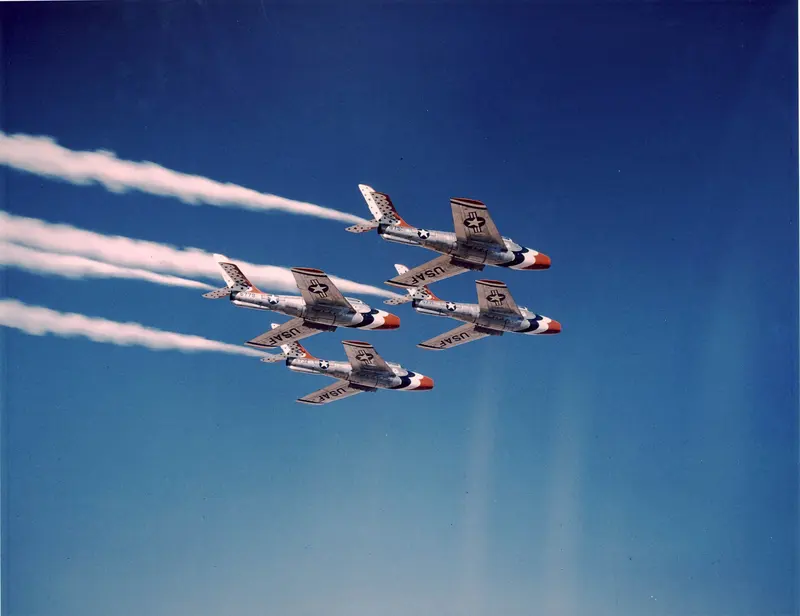
- Aerobatic Display Teams SIG — for the USAF Thunderbirds and other teams;
- F-16 Fighting Falcon, F-4 Phantom and USAF SIGs — the aircraft the team has flown (see our era guide);
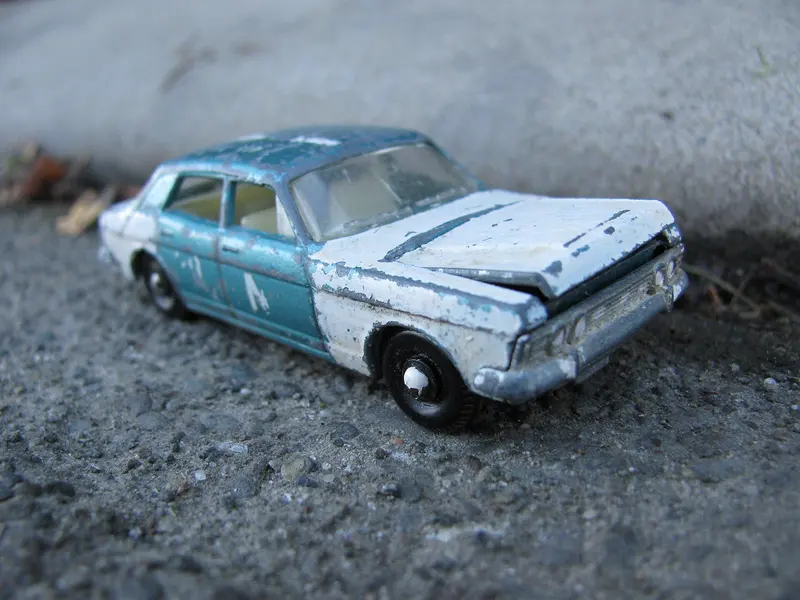
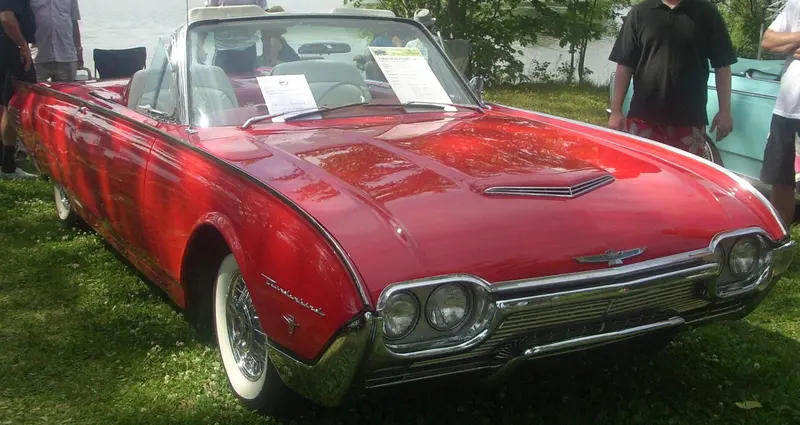
- Car and Motorcycle, Hot Rod and Custom Car and Road and Track in Scale SIGs — for Ford Thunderbird kits;
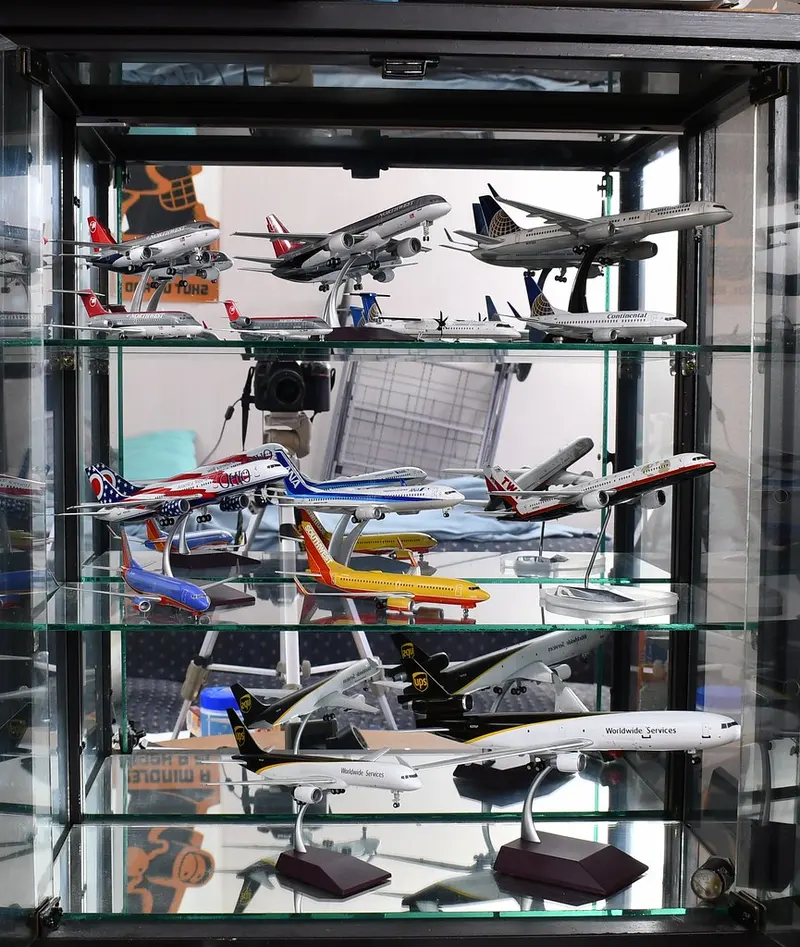
- Movie and TV, and Sci-Fi and Fantasy SIGs — for TV-series craft.
Scale ModelWorld
IPMS(UK) runs Scale ModelWorld, which it calls "the largest fine scale model show in the world". Its page says the show is held over two days each November at the International Centre in Telford, with more than 100 traders, over 100 UK branches, over 90 SIG displays and over 20 overseas clubs. The 2026 show has already taken place; the society says future dates are in its events diary.
The show also hosts the IPMS(UK) annual competition, with more than 140 classes and trophies. IPMS says any member from an IPMS-affiliated country can enter, and all visitors can view the competition models — a good way to see what's possible.
If you go, plan for a full day: wear comfortable shoes, set a budget before you reach the trade halls, and take photos of competition models you like (with the entrant's card) so you can look up the techniques later.
If Telford is too far, ask your nearest branch whether it runs or visits any smaller local shows during the year: a gentler first outing than a two-day national event.
What a club gives a collector
You don't have to build to join. Many members are collectors too, and a club is a good place to:
- learn how to spot reproductions and restored items;
- get second opinions on condition and box grading;
- find trustworthy people to buy from and swap with (see our post on buying at toy fairs and swapmeets).
- Building your first model kit: tools, glue and paint
What you need to build a Thunderbirds kit — the basic tools, polystyrene cement, acrylic or enamel paint — and a simple order of work, from the kit and paint makers’ own advice.
- Applying waterslide decals
How to put the markings on a kit — gloss surface, warm water, setting solutions and a sealing coat — following the kit, paint and decal makers’ instructions.
- Caring for and displaying die-cast and plastic models
Museum conservation advice applied to a home collection: light, humidity, handling, cleaning and “zinc pest”.
?> Take one model to your first meeting, finished or not. It's the easiest way to start a conversation.
Sources
Checked 23 November 2026. Written in our own words from:
- IPMS(UK) — home page (ipmsuk.org)
- IPMS(UK) — Branches (ipmsuk.org)
- IPMS(UK) — Special Interest Groups (ipmsuk.org)
- IPMS(UK) — About Scale ModelWorld (ipmsuk.org)
Spotted something wrong or out of date? Tell us.