Blog · · 3 min read
Handing down vintage Thunderbirds toys to children: a safety check
A 1960s Dinky or a 1992 Tracy Island from the loft can delight a new generation. Why older and second-hand toys need a closer look first, and what official guidance says.
Facts last checked 22 November 2026
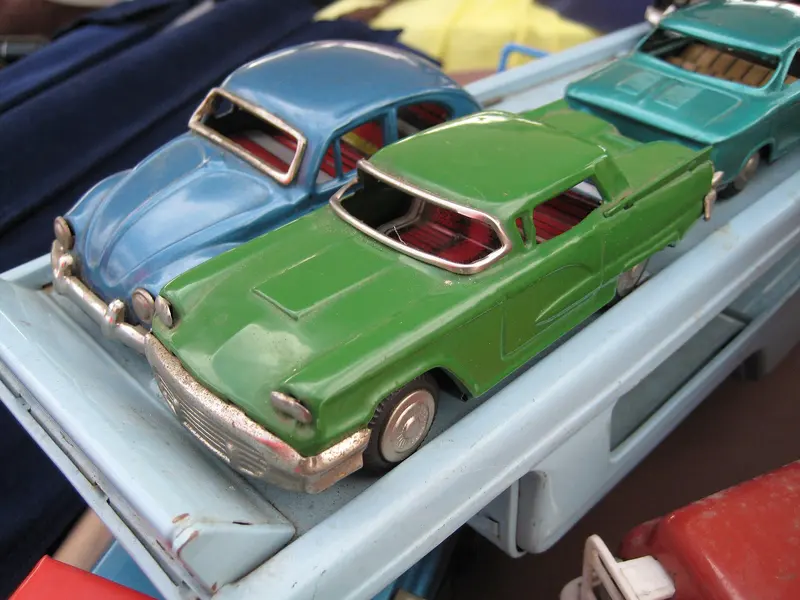
There's something special about passing a childhood toy to the next generation — a Thunderbird 2 that once flew round a 1970s living room, or a Tracy Island playset from the 1992 Matchbox range. But toys made decades ago weren't made to today's rules, and years of play leave their mark. A short check before handing them over is sensible.
Why older toys need a second look
GOV.UK's guidance on buying second-hand goods makes several points that apply directly to vintage toys:
- Used products can carry extra risks from worn parts, missing modern safety features or modifications.
- Wear and tear on a child's toy can make it more dangerous.
- Some older products may contain substances that are now banned.
- Where possible, check an item physically before you buy or use it.
What today's rules are designed around
Today's toys for children under 14 are covered by the Toys (Safety) Regulations. GOV.UK's guidance explains that hazard warnings must appear in English, starting with "Warning", and that toys for children under 36 months get particular attention. Vintage toys predate these rules, so there's no marking to rely on — you're the safety check.
It's also worth knowing that many of today's Thunderbirds products aren't toys at all in the legal sense. The regulations exclude detailed scale models and kits clearly marked for collectors aged 14 and over. Our guide toy or collector's model? explains how to read the box.
A practical checklist
- Small parts. Missiles, pods, figures and aerials from die-cast and playsets are small. Keep anything that could be swallowed away from under-threes.
- Sharp edges and broken plastic. Old plastic becomes brittle; a cracked part can leave a sharp edge. Die-cast with broken bases or bent metal may have sharp points.
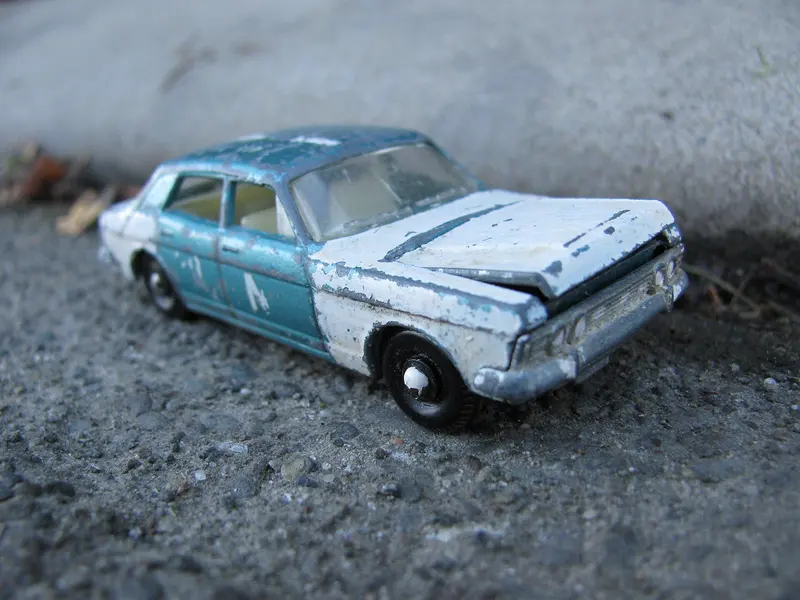
- Flaking paint. Chipped paint on old die-cast shouldn't be chewed or sucked. Given GOV.UK's note about substances that are now banned, this is a toy for older children to play with, not for teething.
- Batteries. Electronic toys — such as the 1992 Matchbox electronic Thunderbird 2 — need their battery compartments checked. Look for corrosion from old batteries, and make sure the compartment closes securely.
- Modifications. GOV.UK suggests asking whether a used product has been modified. A repainted or repaired toy may use different materials.
- Recalls. For newer second-hand toys, search the government's product safety alerts, reports and recalls list, which can be filtered by the "toys" category.
- Matchbox Tracy Island Electronic Playset The playset that sold out at Christmas 1992 and inspired Blue Peter’s famous make-your-own version. Vintage
- Matchbox Electronic Thunderbird 2 An electronic Thunderbird 2 with sound effects and a miniature Thunderbird 4, from the 1992 range. Vintage
- Dinky Toys No. 101 Thunderbird 2 (green) The original Dinky Thunderbird 2, with spring-loaded landing legs and a detachable pod carrying a little Thunderbird 4. Vintage
Cleaning before play
Old toys from a loft are usually dusty. For collectable plastics, the Canadian Conservation Institute advises against solvents and even water-based cleaning solutions, recommending gentle dry methods such as a soft brush instead — another reason to keep a valuable original on the shelf rather than in the bath. If a toy is too grubby to play with without a proper wash, it may be better as a display piece.
If you find something unsafe
GOV.UK's guidance says that if you own an unsafe product that may have caused injury or damage, you should report it to the relevant authorities where you live.
Display or play?
Many families settle on a compromise: the vintage original goes on a shelf, and a current toy or die-cast goes in the toy box. That keeps the collectable in good condition — see our guide to condition and box grading — and gives the child something made to current rules. Our Amazon store lists current ranges.
- Identifying vintage Dinky, Matchbox and Corgi Thunderbirds toys
How to tell the main vintage and modern die-cast apart — catalogue numbers, colours, copyright marks and missing parts — using only facts we can source.
- Caring for and displaying die-cast and plastic models
Museum conservation advice applied to a home collection: light, humidity, handling, cleaning and “zinc pest”.
Sources
Checked 22 November 2026. Written in our own words from:
- GOV.UK — Consumer products: buying second-hand goods (gov.uk)
- GOV.UK — Toys (Safety) Regulations 2011: Great Britain (gov.uk)
- legislation.gov.uk — Toys (Safety) Regulations 2011, Schedule 1 (legislation.gov.uk)
- GOV.UK (OPSS) — Product safety alerts, reports and recalls (gov.uk)
- Canadian Conservation Institute — Care of rubber and plastic (canada.ca)
Spotted something wrong or out of date? Tell us.