Blog · · 3 min read
Lofts, cold walls and radiators: keeping a collection safe through the winter
Winter brings damp in unheated rooms and very dry air next to radiators. What conservation guidance says about humidity, and a practical checklist for boxed die-cast, kits and paperwork.
Facts last checked 22 November 2026
Our guide to caring for and displaying die-cast and plastic models covers light, metal and plastics all year round. Winter adds its own problem: humidity. Lofts, garages and outside walls get cold and damp, while the air near radiators becomes very dry. Boxes, instruction sheets and decals feel it first.
The Canadian Conservation Institute (CCI), a government conservation body, publishes clear guidance on humidity for museum collections. Here is what it says, applied to a Thunderbirds shelf.
Damp: what "too damp" means
CCI describes damp as relative humidity (RH) above about 75%. The higher it goes, the faster mould grows: CCI gives about 100 days at 70% RH, but two days at 90% RH. Paper and card cockle (go wavy) in damp conditions, and metal corrosion speeds up.
For collectors that means:
- Boxes and inner card trays stain, warp and grow mould spots — and box condition matters a great deal when you come to grade or sell.
- Paperwork — catalogues, leaflets, decal sheets and instructions — cockles and sticks together.
- Die-cast with chipped paint can start to corrode where the metal is exposed.
Where damp hides
CCI points to three trouble spots:
- Outside walls. Cold walls raise the humidity of the air right next to them, so a cabinet or shelf against an outside wall is at more risk than one on an inside wall.
- Basements and ground floors, which are often associated with damp. CCI suggests checking for rising damp before storing anything there.
- Plastic covers, which can trap moisture against whatever is inside.
Dry air: the other winter problem
Central heating does the opposite. CCI notes that heating to 21°C without adding moisture can push indoor RH very low in a cold climate, and that large swings in humidity cause mechanical damage to layered and laminated things. It advises keeping objects away from radiators along outside walls ("perimeter heaters") and sunny windows. A display shelf directly above a radiator is the worst of both: hot, dry air rising past the models all day, then cooling at night.
Plastics, rubber and kits
Many Thunderbirds models, from the 1992 Matchbox range to today's kits, are plastic, and some have rubber tyres or parts. CCI's advice for plastics and rubber is to avoid RH above 65%, to keep them away from heat, and not to clean them with solvents or water-based cleaners — gentle dry dusting only. Unbuilt kits are worth keeping flat, in their boxes, away from heat, so the sprues and decal sheets stay in good order.
- Imai Thunderbirds kits (1966 onwards) The original Japanese Thunderbirds kits, many with box art by Shigeru Komatsuzaki. Vintage
- Aoshima BIG Thunderbird 2 (Thunderbirds No. 20) An extra-large (about 250 mm) Thunderbird 2 kit with Thunderbird 4, the Mole and a magnetic towing vehicle — reissued in January 2026. Current
- Aoshima 1/32 FAB 1 kit Lady Penelope’s FAB 1 as a 1/32 plastic kit. Current
- Aoshima 1/48 Thunderbird 4 kit Thunderbird 4 as a motorised 1/48 kit with a working searchlight. Current
A winter checklist
- Move boxes off outside walls and up off the floor.
- Keep display shelves away from radiators and out of direct sun.
- Avoid lofts and garages for anything you care about; if you must use them, use sealed, sturdy containers, and only put things in when they're completely dry.
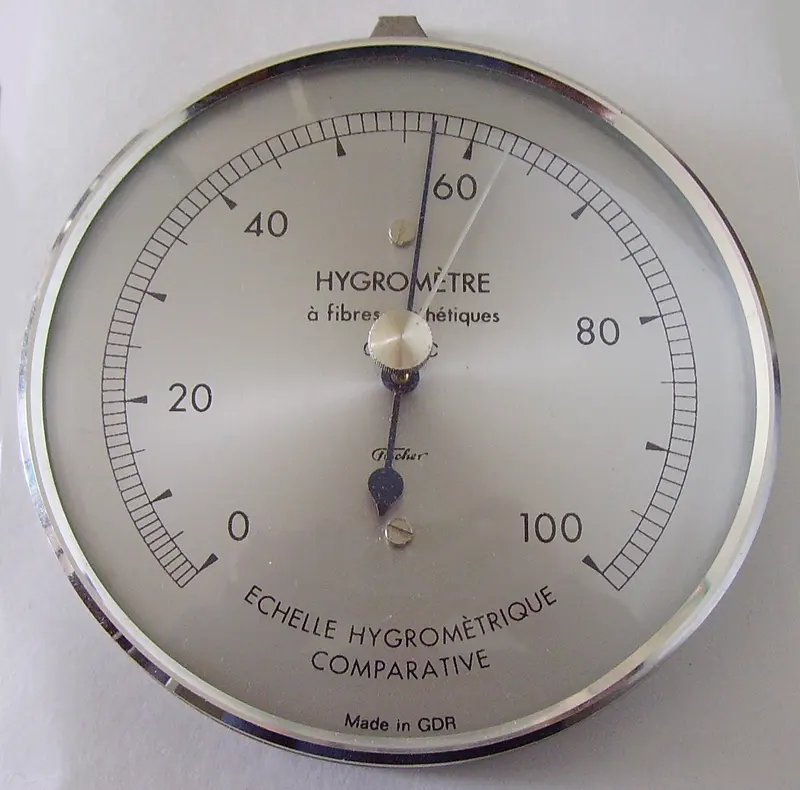
- Measure. CCI recommends a calibrated hygrometer or data logger where the collection lives, checked over time rather than once.
- Small, valuable items: CCI suggests sealed glass or vapour-proof plastic containers with silica gel taking up about a third of the air space, replacing the gel when its indicator colour changes.
- Write things down. A list of what's in each storage box, with the date it went in, makes checking easy.
When spring comes
Open stored boxes on a dry day and look before you lift: mould spots, a musty smell, rust on axles or baseplates, and cockled card are the signs that a storage place is too damp. If you find them, move the rest of the collection somewhere drier rather than waiting for next winter. For anything valuable that has been affected, a professional conservator is the right person to ask.
- Caring for and displaying die-cast and plastic models
Museum conservation advice applied to a home collection: light, humidity, handling, cleaning and “zinc pest”.
- Condition and box grading: what “mint” really means
The grading words used by auction houses and sellers — Mint, Near Mint, Excellent, Good, Fair, Poor — plus MIB, MOC and the rest, explained with sources.
Sources
Checked 22 November 2026. Written in our own words from:
- Canadian Conservation Institute — Agent of deterioration: incorrect relative humidity (canada.ca)
- Canadian Conservation Institute — Care of rubber and plastic (canada.ca)
Spotted something wrong or out of date? Tell us.