Collector guide
Selling a model on eBay: photos, condition and description
How to photograph, grade and describe a vintage toy or model for an eBay listing, using eBay's own picture and condition guidance, and what being a private seller means if a buyer says it isn't as described.
Facts last checked 23 November 2026
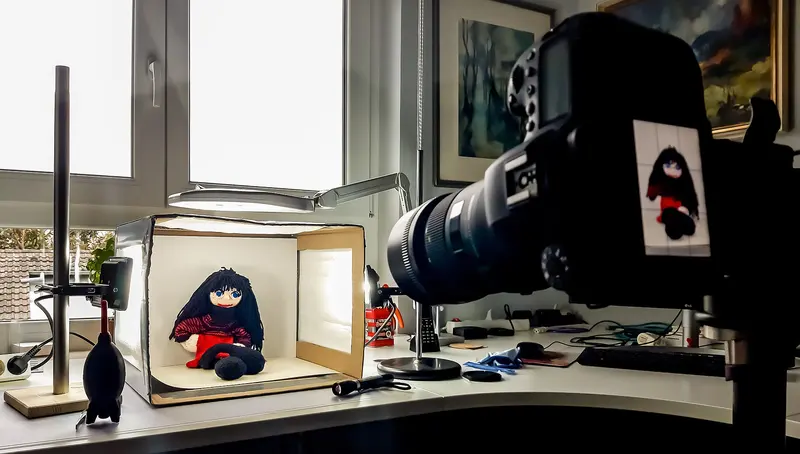
Thinning out a collection, or selling something you've found in the loft? Most vintage Thunderbirds toys change hands on eBay, and a clear, honest listing sells better and avoids disputes. This is general information, not legal or tax advice; eBay's rules can change, so check its help pages before you list.
Identify it first
Work out exactly what you have before you write a word: maker, catalogue number, version and what should be in the box. Our guide to identifying vintage Dinky, Matchbox and Corgi Thunderbirds toys covers the usual mix-ups, and spotting reproductions and restorations explains what to mention if parts have been replaced or repainted.
Take good photos
eBay's own advice on pictures (eBay):
- Use your own photos. You can't use a catalogue or stock photo for a used item.
- Size: at least 500 × 500 pixels; eBay recommends about 1600 × 1600, up to 12MB per photo. Square (1:1) or 16:9 pictures generally look best.
- How many: up to 24 per listing – use them to show the item and its box from every side, plus any markings underneath.
- Background and light: an uncluttered, neutral background (white is generally best), and no flash or overhead lighting, which cause glare. A tripod or the camera's timer gives sharper pictures.
- Show the flaws. eBay suggests clear close-ups of scratches and other imperfections, so buyers know what to expect and returns are less likely.
- Don't add logos, badges or watermarks – eBay says they can affect where your listing appears in search.
Choose the right condition
In the Toys & Games and Collectables categories, eBay's condition options are New, Used and graded Refurbished. New means brand-new, unused, unopened and undamaged; for Used items, eBay expects any imperfections to be described in the listing (eBay). Words such as "mint" or "boxed" mean different things to different people, so describe the model and box separately – our condition and box grading guide explains the terms collectors use.
Describe it honestly
eBay's consumer rights page explains that if you sell as a private individual, the goods must be "as described"; business sellers must also meet the satisfactory quality and fit-for-purpose standards (eBay). Under eBay's Money Back Guarantee a buyer can return an item that doesn't match the listing for a full refund, including the original postage, even if you don't offer returns. You're expected to respond within 3 business days, and refunds for returned items are generally due within 2 business days of getting the item back (eBay). So mention missing parts, replaced decals, repairs and box damage in the text, not just the photos.
Pack it well
A boxed die-cast or a finished kit needs careful packing – see our post on posting a model safely.
If you're selling a lot
Our post on selling collectables and the tax basics explains when HMRC may be interested. If you're buying as well as selling, see buying safely on eBay.